Norse · Old Norse · c. 1230; Laing translation 1844
Heimskringla, or The Chronicle of the Kings of Norway
Snorri Sturluson; tr. Samuel Laing
Snorri writing the same gods a second time and demoting them on purpose. The Ynglinga Saga opens the history of the kings of Norway with Odin as a chief of a city called Asgaard in Asia, a man of unusual accomplishments whose people sacrificed to him after his death and called him a god. Thor holds an estate at Thrudvang and leaves his name behind in Thore and Steenthor. This corpus tracks gods becoming demons; here is a Christian author performing the adjacent move on his own inheritance, turning gods into ancestors so a royal line can descend from them.
Read Heimskringla, or The Chronicle of the Kings of Norway in full at the linked edition →What this text attests · 3
| Name here | Rank given | # | Powers described |
|---|---|---|---|
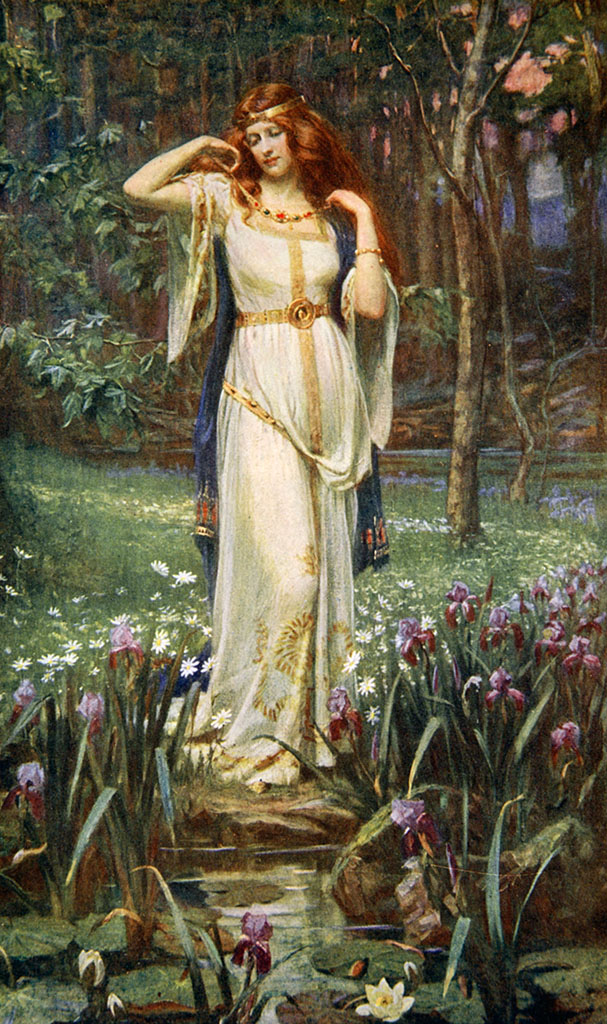
| — | — | Named in the order of the sacrificial goblets — Odin's emptied for victory and power to the king, then Njord's and Freyja's for peace and a good season — and in the skaldic kenning that makes gold Freyja's tears. Cult and poetic vocabulary, without the mythology. | |
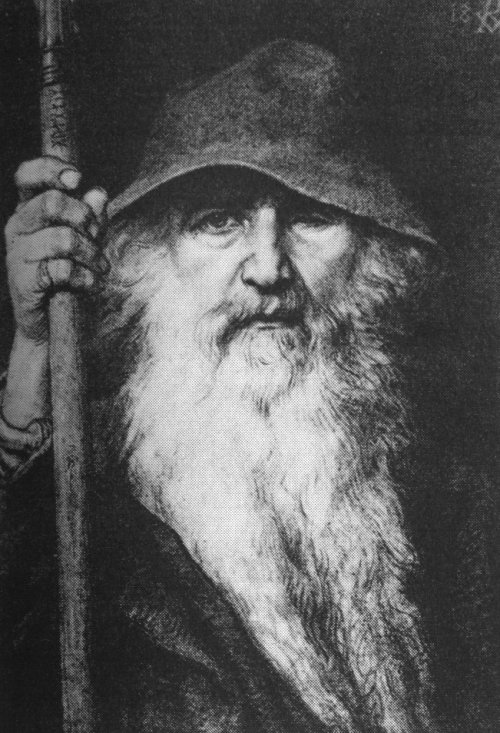
| — | — | A chief in a city called Asgaard in Asaland, east of the Tanaquisl, where twelve temple priests directed the sacrifices and judged the people. He gives laws, distributes estates to Njord and Frey and Thor and Balder, and after his death people sacrificed to him and called him a god and believed in him long after. Euhemerism performed by a Christian on the gods of his own ancestors, in order that the kings of Norway can descend from them — the same operation this corpus tracks in the other direction when a god is made a demon. | |
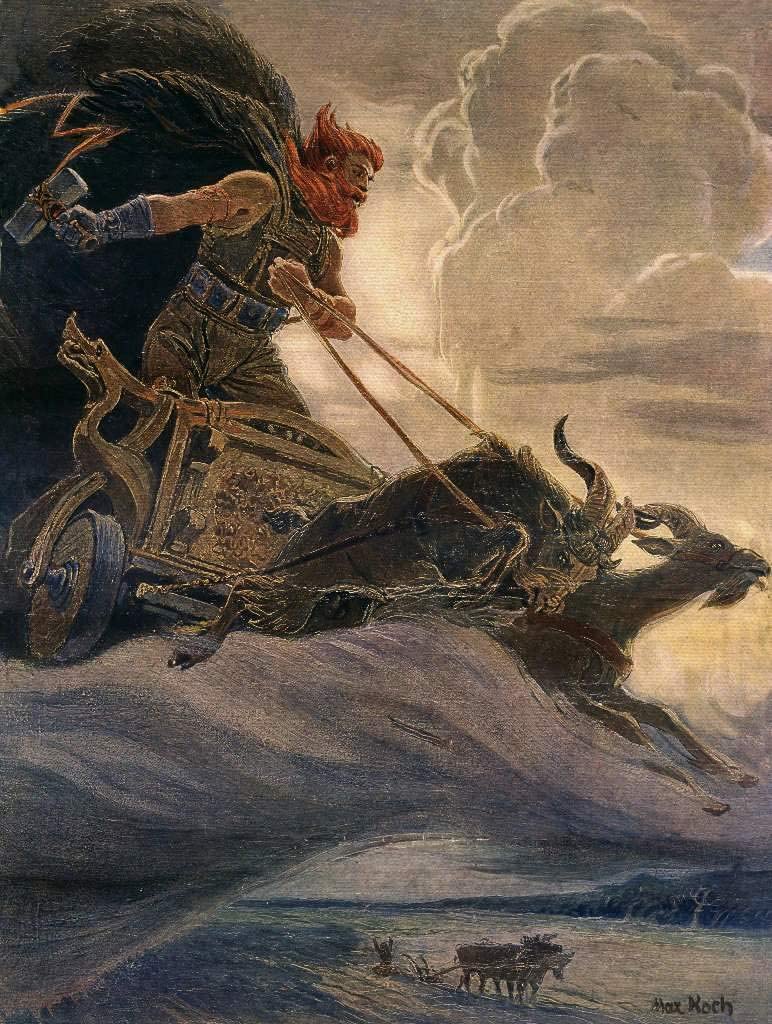
| — | — | One of the twelve chiefs from Asaland, given the estate of Thrudvang, and the source Snorri gives for the personal names Thore, Thorarinn, Steenthor and Havthor. The god is reduced to a landholder and an etymology. |