Deity · The God of Israel · c. 1200 BCE
The God of Israel
Also called YHWH, Yahweh, The LORD, Adonai, Elohim, El Shaddai, The Most High, Allah, Theos
The God of the Hebrew Bible, named by four consonants and worshipped without image — the figure every angel, demon and rite in this corpus stands in relation to, and the one it had no entry for.
Deep source base
Filed as a deity and ranked as a high god, beside Ahura Mazda, Olodumare, El, Marduk, Zeus, Amun and Atum. That filing is a decision about this corpus's vocabulary rather than a claim about the figure, and it is worth stating plainly because it cuts both ways: it makes him comparable rather than singular, which is what a reader who rejects the corpus's framing should want, and it declines to give the doctrine a category of its own, which is what a reader who holds it might have wanted. The pantheon field is deliberately empty — see below.
What the Hebrew Bible says about him is not a single position. He is one, in a formula recited twice daily; he is also addressed in a court of other divine beings, which the sons-of-god entry in this corpus records. He is unrepresented by image, which is unusual among the neighbours catalogued here. He has a name that later practice stops pronouncing, so that the most-used name for him in the world is a word meaning "my lord" standing in for one nobody says.
He is a party to a dispute this corpus cannot resolve and should not pretend to. The Canaanite high god El is separately entered here, and the relation between the two is one of the live questions in the study of Israelite religion: epithets are shared, El appears inside Israelite personal names, and Deuteronomy 32 in its Dead Sea and Septuagint form apportions the nations under the Most High in a way that reads differently from the later Masoretic text. Some scholars read continuity, some read polemical appropriation, some read coincidence of title. The corpus files him under no pantheon at all rather than choosing, because filing him as Canaanite would have made that argument silently in a published study, and filing him as Israelite would have made the opposite one just as silently.
The texts that name him also contradict each other about him, and those contradictions are recorded on this page rather than harmonised. The Qur'an names the same God of Abraham and denies he begets or is begotten. The Nicene Creed confesses one God the Father almighty and then says of the Son that he is of one substance with the Father. Both are attested below in their own terms.
Identity
Where does the name come from?
What the name means
The four consonants YHWH, conventionally vocalised Yahweh, are given an explanation in Exodus 3:14 rather than an etymology: the name is glossed by a form of the verb 'to be'. Whether that is the historical derivation or a theological gloss on a name already ancient is disputed and the text does not settle it. Elohim is a plural form used with singular verbs; Adonai, 'my lord', is the word read aloud in place of the name in Jewish practice, and the printed vowels of that substitute are what produced the form Jehovah in later Christian bibles.
Where it was actually worshipped
The Jerusalem temple, and Shiloh, Bethel and Dan before it
A figure with temples and a figure that only ever existed on a page are different kinds of thing, and the difference is easy to lose once both are entries in a list.
At a glance
Vitals
Vitals
Also known as
- First attested
- Hebrew Bible & Deuterocanon · c. 900–100 BCE
- Named there as
- YHWH; Elohim; El Shaddai; Adonai
- Rank
- High God
- Order
- The God of Israel
- Base of operations
- The Jerusalem temple, and Shiloh, Bethel and Dan before it
- Era
- c. 1200 BCE
- Traditions
- Christian, Jewish, Islamic
Stats
1 mark
Which marks is it attached to?
A mark a figure carries and a mark used against a figure are opposite claims, so each link says which it is.
4 texts
Which texts say so, and where do they disagree?
When these texts were written
Each dot is one of the 4 texts that names The God of Israel, placed at that text's approximate date.
A wide spread means the figure was carried across many centuries and traditions; a tight cluster means a single period produced the whole record.
4 texts spanning roughly 1,050 years
Where the texts differ
- Name: given as YHWH; Elohim; El Shaddai; Adonai, God; the Father, One God, the Father almighty, Allah
- Rank: given as God of Israel; God the Father; God
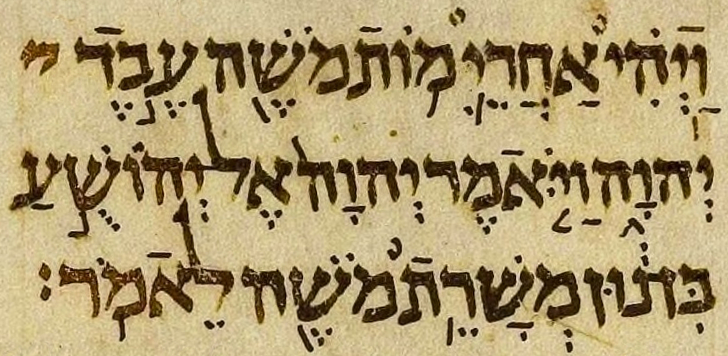
Creation, covenant, law, judgement, deliverance from Egypt, command of the heavenly host
“Hear, O Israel: The LORD our God is one LORD”
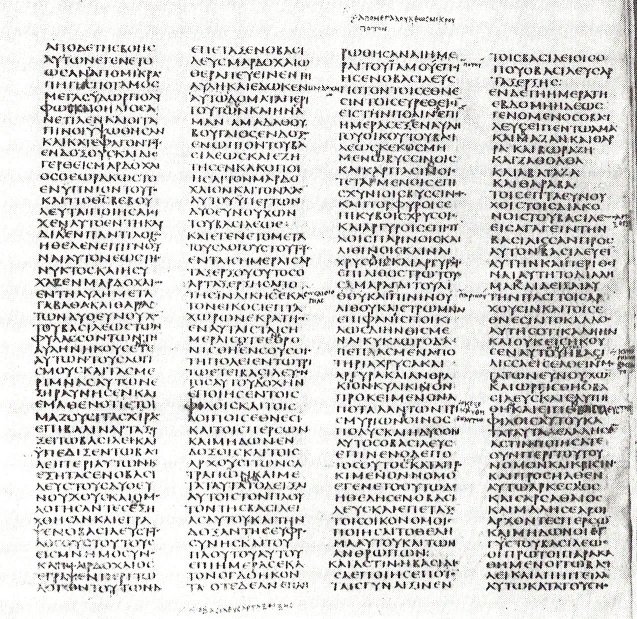
Identified as the God of Abraham, Isaac and Jacob; addressed as Father
“But to us there is but one God, the Father, of whom are all things”
Maker of heaven and earth, and of all things visible and invisible — the clause this site takes its name from, by way of Colossians 1:16.
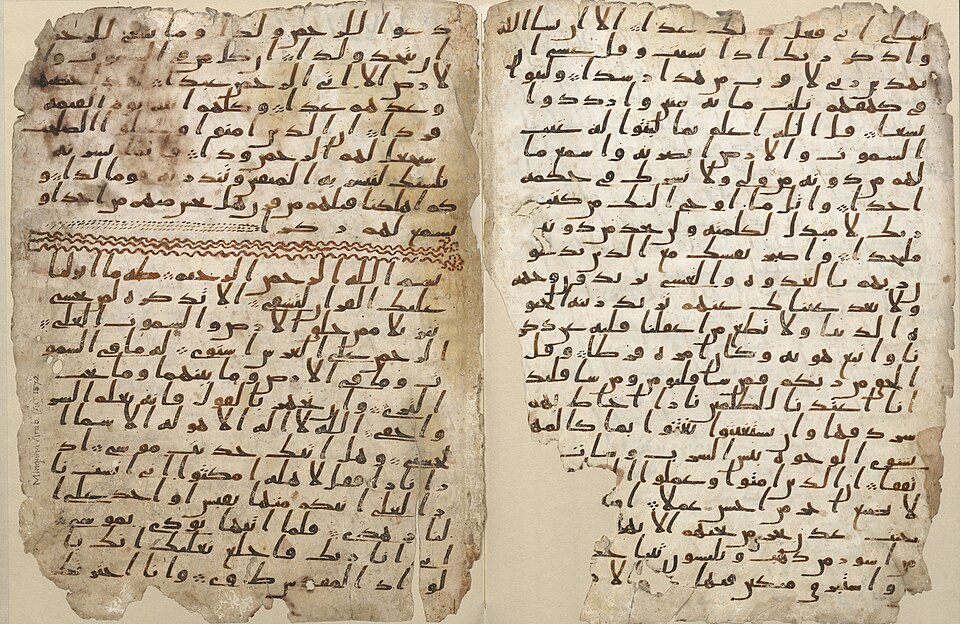
Named as the same God of Abraham, Moses and Jesus, and explicitly denied to beget or to be begotten — a text that names the figure and rejects the christology of the texts above it.
Connections
What is it connected to?
No relationship to another figure in this corpus is recorded in the texts cited above. Where an edge exists here it is because a source states it, so an empty section means the sources are silent rather than that the connection is unknown.
Afterwards
What did later readers make of it?
The most represented and least depictable figure in Western art, and the subject of the corpus's single largest asymmetry: nearly every text seeded here presupposes him, while the number that describe him is small. Later occult literature borrows the name freely — the Tetragrammaton appears on seals, circles and lamens throughout the grimoire material catalogued in this corpus — and that borrowing is a use of the name as a word of power rather than a claim about the figure, which is a distinction the sources themselves are careful about and modern retellings usually are not.
Kept in its own section on purpose. Everything above is what the cited texts say; this is what was built on top of them afterwards, and blending the two is how most popular demonology goes wrong.
Answered from the sources
Common questions
Which texts mention The God of Israel?
What rank is The God of Israel?
How else is The God of Israel spelled?
How old is The God of Israel?
Nearest in the corpus
If The God of Israel is what you came for, these are next
Chosen by proximity rather than by popularity: the same pantheon first, then the same rank, then the same kind of figure.
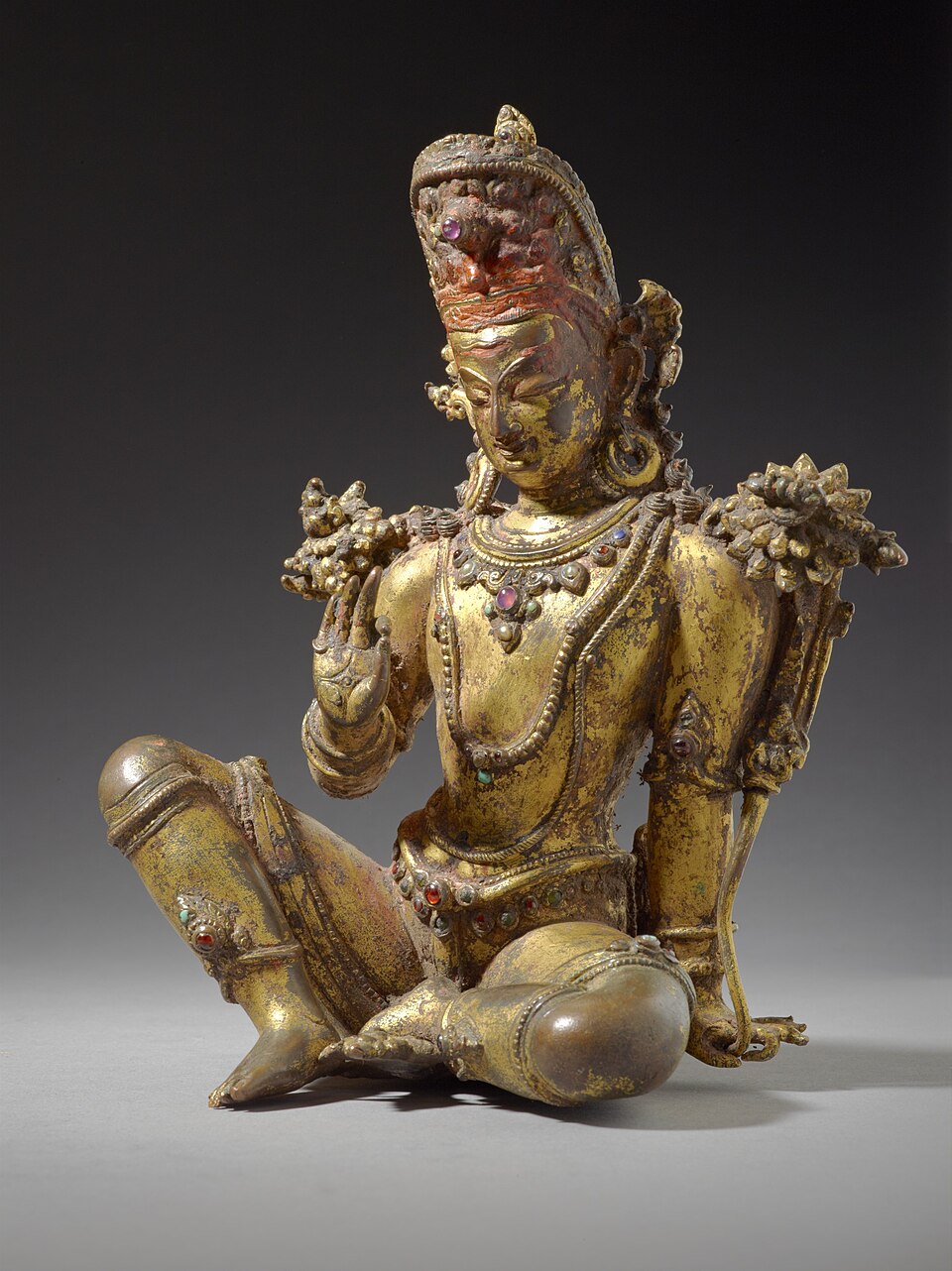
Indra
King of the Devas · Vedic
The thunderbolt-wielding king of the gods, who slays the serpent Vritra and releases the pent waters. It is the Indo-European form of the same combat myth as Baal against Yam.
Jesus of Nazareth
The Son · The God of Israel
The figure the New Testament describes as casting out spirits by a word, and whose commission is cited by nearly every exorcism rite and deliverance manual in this corpus.
The Holy Spirit
The Spirit · The God of Israel
Breath, wind and spirit in the same word — the least personified of the three in the Hebrew material and the most active in the New Testament, and the figure the whole charismata question in this corpus turns on.
Ninurta
Champion of the Gods · Mesopotamian
The god sent against what the other gods will not face — the Asag, and the Anzu bird that stole the Tablet of Destinies — and the one who reorganises the world afterwards.
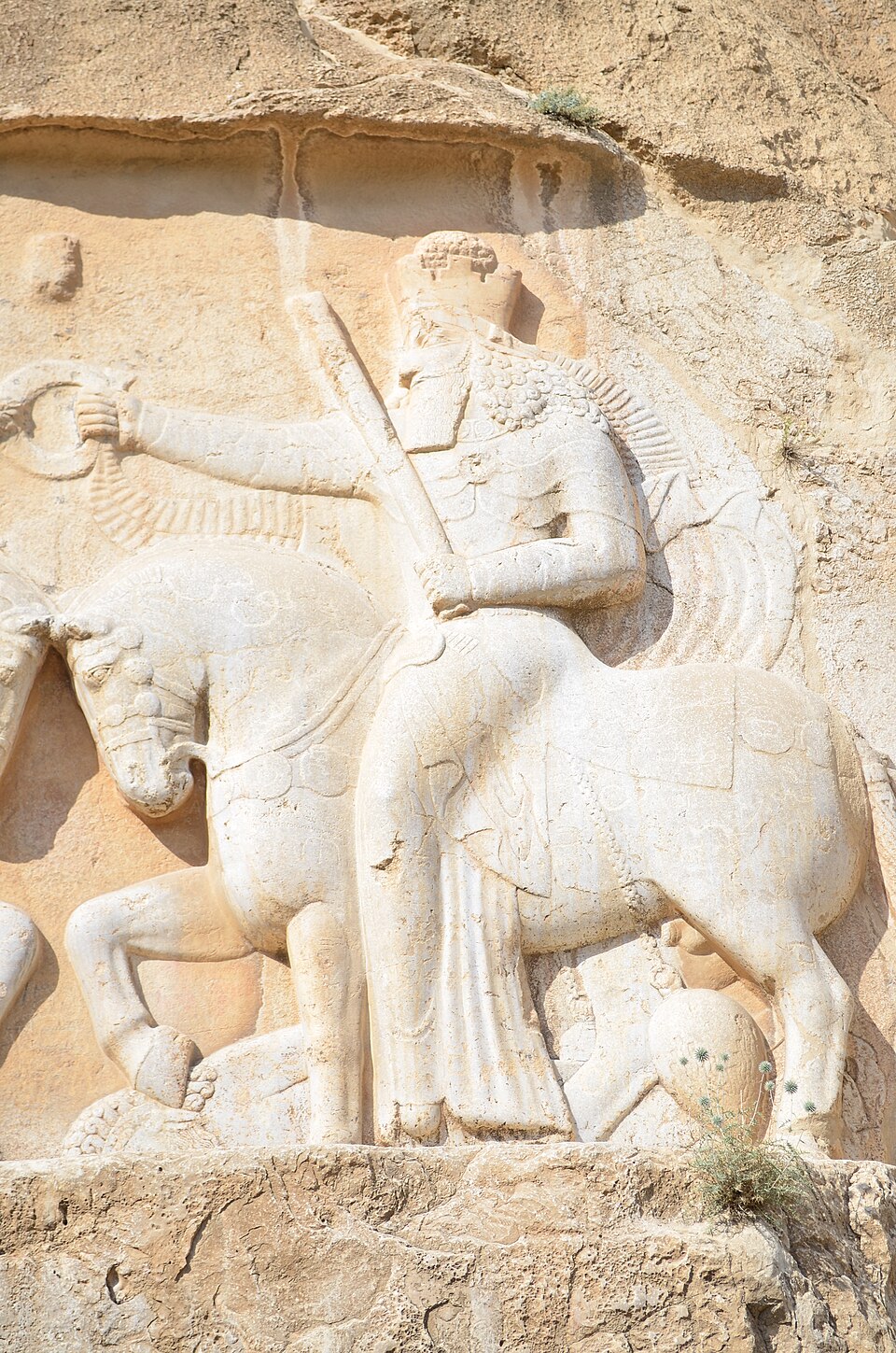
Ahura Mazda
The Wise Lord · Persian
The uncreated god of Zoroastrianism, opposed by Angra Mainyu — the pairing that probably gave Judaism and Christianity their two-sided cosmos.
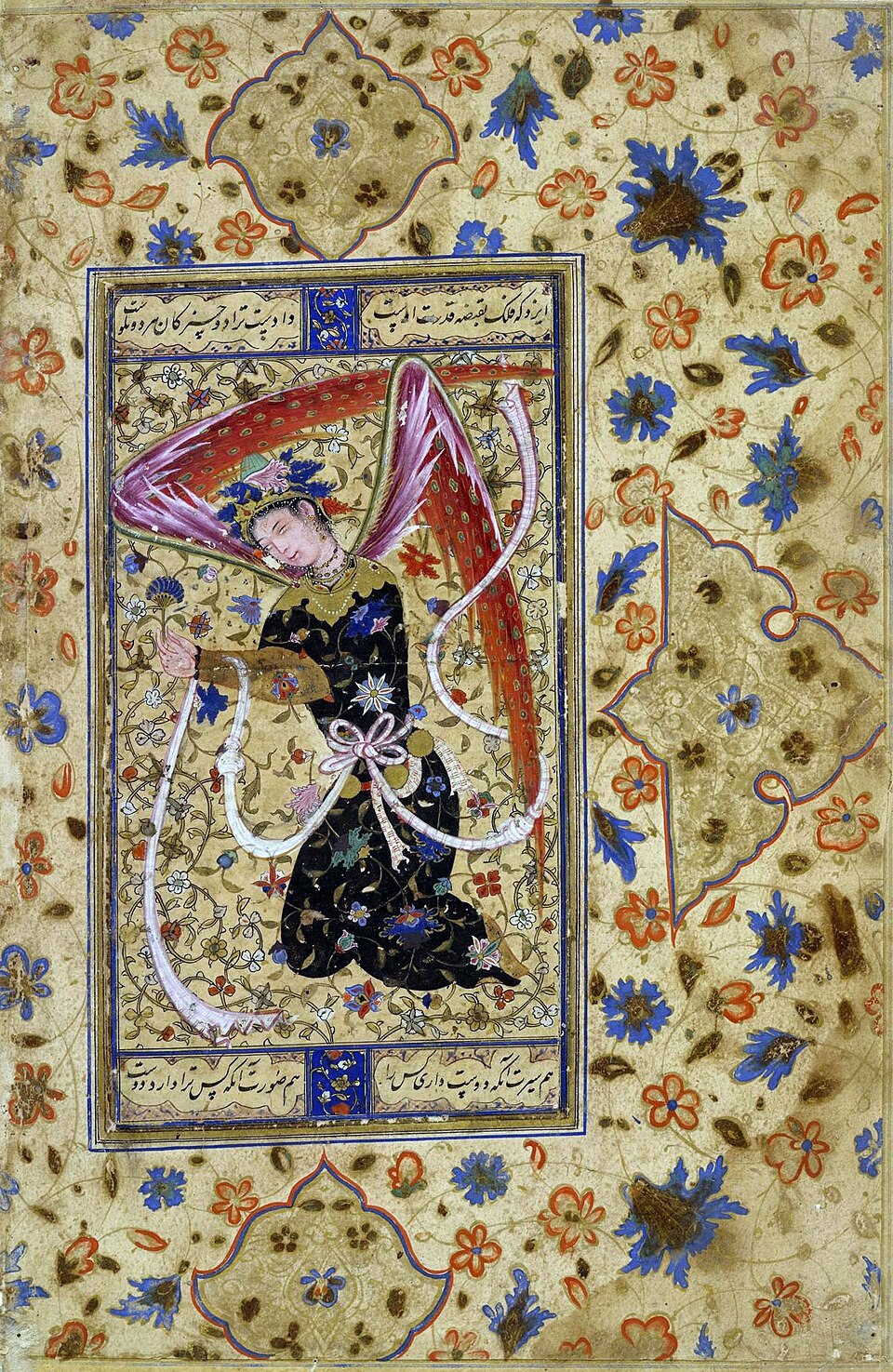
Sraosha
Yazata of Obedience · Persian
He guards the soul for three nights after death and stands directly opposed to Aeshma. It is an angel's job description, written before there were angels.
The books behind The God of Israel
Every claim on this profile is attributed to one of these. They are public domain, listed oldest first, and each links to a full text where one is freely available.
Hebrew Bible & Deuterocanon
Various · c. 900–100 BCE · Hebrew, Aramaic, Greek
Read Hebrew Bible & Deuterocanon in full ↗Cover: Public domain · see en:Aleppo Codex; scanned by · Wikimedia file page
New Testament
Various · c. 50–110 CE · Koine Greek
Read New Testament in full ↗Cover: Public domain · Wikimedia file page
The Nicene Creed (Symbolum Nicaeno-Constantinopolitanum)
The Councils of Nicaea and Constantinople · 325; revised 381 · Greek
Read The Nicene Creed (Symbolum Nicaeno-Constantinopolitanum) in full ↗Qur'an & Hadith
Various · 7th c. CE onward · Arabic
Read Qur'an & Hadith in full ↗Cover: Public domain · AnonymousUnknown author · Wikimedia file page
Corpus last revised 31 August 2026. A reference site’s credibility rests on being maintained, so this is the date the sourced records last changed — not the date the page was rebuilt.