Deity · The God of Israel · c. 900 BCE
The Holy Spirit
Also called Ruach ha-Qodesh, Holy Ghost, Pneuma Hagion, The Paraclete, The Comforter
Breath, wind and spirit in the same word — the least personified of the three in the Hebrew material and the most active in the New Testament, and the figure the whole charismata question in this corpus turns on.
Deep source base
The Hebrew Bible's ruach is a divine agency more often than an agent: it hovers over the waters, comes upon judges and kings, departs from Saul, and is put within a people in Ezekiel. Whether those passages present a person or a mode of God's action is not something the texts settle, and this corpus does not settle it either. The New Testament material is different in kind rather than in degree — the Spirit is spoken to, lied to, grieved, sent, and named alongside the Father and the Son in the baptismal formula.
Both are recorded below. What makes the difference visible rather than smoothed is that they are separate attestations from separate sources, which is the whole reason these three are seeded as three entities rather than one.
The filing problem here is not the one on the Jesus entry. `deity` is recorded because nothing else on the list is closer, but the honest difficulty is that the Hebrew material may not present a being at all, and a corpus organised around named beings has no way to record "an agency that may or may not be an agent". The empty `beingClass` field is doing real work on this page.
This is also the figure the largest structural argument on this site turns on. The charismata axis on /denominations — whether the miraculous gifts continue or ceased with the apostles — is the first question that section asks of every body, because it decides all the others: a church holding the gifts ceased has no room for a deliverance ministry, and one holding they continue has no reason to license an office for it. Twenty-nine bodies are ranked on that axis, and what they are disagreeing about is this entry.
Identity
Where does the name come from?
What the name means
Hebrew ruach and Greek pneuma both mean breath or wind before they mean spirit, and both keep the physical sense alongside the theological one — the same word carries the wind over the waters in Genesis and the rushing sound at Pentecost. Ruach is grammatically feminine, pneuma neuter and Latin spiritus masculine, so the gender of the term is an accident of language rather than a claim, which has not stopped it being used as one in later devotional writing.
At a glance
Vitals
Vitals
Also known as
- First attested
- Hebrew Bible & Deuterocanon · c. 900–100 BCE
- Named there as
- Ruach Elohim; Ruach YHWH; Ruach ha-Qodesh
- Rank
- The Spirit
- Order
- The God of Israel
- Era
- c. 900 BCE
- Traditions
- Christian, Jewish
Stats
1 mark
Which marks is it attached to?
A mark a figure carries and a mark used against a figure are opposite claims, so each link says which it is.
3 texts
Which texts say so, and where do they disagree?
When these texts were written
Each dot is one of the 3 texts that names The Holy Spirit, placed at that text's approximate date.
A wide spread means the figure was carried across many centuries and traditions; a tight cluster means a single period produced the whole record.
3 texts spanning roughly 781 years
Where the texts differ
- Name: given as Ruach Elohim; Ruach YHWH; Ruach ha-Qodesh, The Holy Ghost; the Comforter; the Spirit of truth, The Holy Ghost, the Lord and giver of life
- Rank: given as The Spirit of God; The Spirit
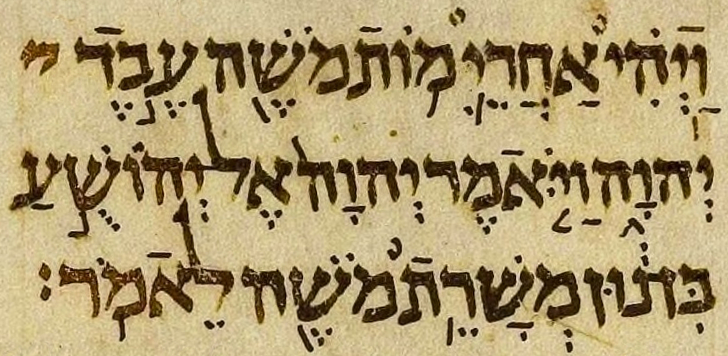
Hovering at creation; coming upon judges, kings and prophets; departing from Saul; promised to be put within a people
“And the Spirit of God moved upon the face of the waters”
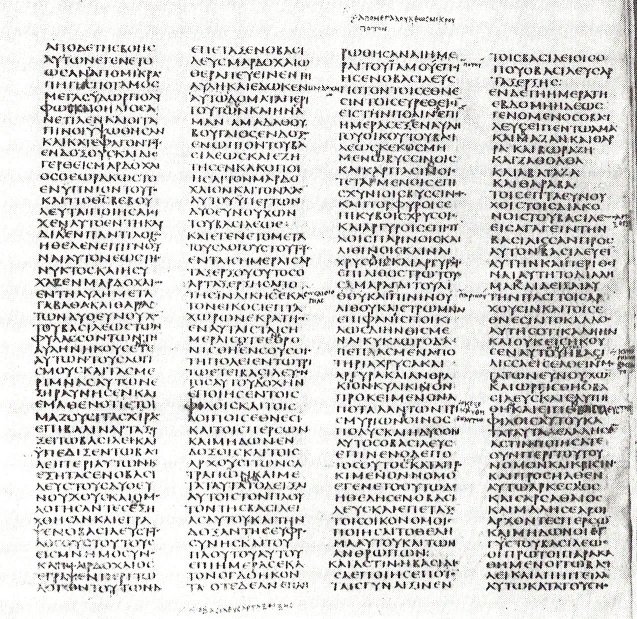
Descending at the baptism; named with the Father and the Son in the baptismal formula; sent as Comforter; distributing the gifts the charismata axis of /denominations is an argument about
“thou hast not lied unto men, but unto God”
Proceeding from the Father, worshipped and glorified together with the Father and the Son, and having spoken by the prophets. The clause about procession is where the West later added a word, and that addition is the doctrinal half of the East–West separation.
Connections
What is it connected to?
No relationship to another figure in this corpus is recorded in the texts cited above. Where an edge exists here it is because a source states it, so an empty section means the sources are silent rather than that the connection is unknown.
Afterwards
What did later readers make of it?
The clause that divides the Latin West from Constantinople is about this figure: whether the Spirit proceeds from the Father alone or from the Father and the Son. The corpus carries the Nicene Creed as the one text every body on /denominations accepts, and the single word later added to it in the West is the doctrinal half of the oldest division that chart draws.
Kept in its own section on purpose. Everything above is what the cited texts say; this is what was built on top of them afterwards, and blending the two is how most popular demonology goes wrong.
Answered from the sources
Common questions
Which texts mention The Holy Spirit?
What rank is The Holy Spirit?
How else is The Holy Spirit spelled?
How old is The Holy Spirit?
Nearest in the corpus
If The Holy Spirit is what you came for, these are next
Chosen by proximity rather than by popularity: the same pantheon first, then the same rank, then the same kind of figure.
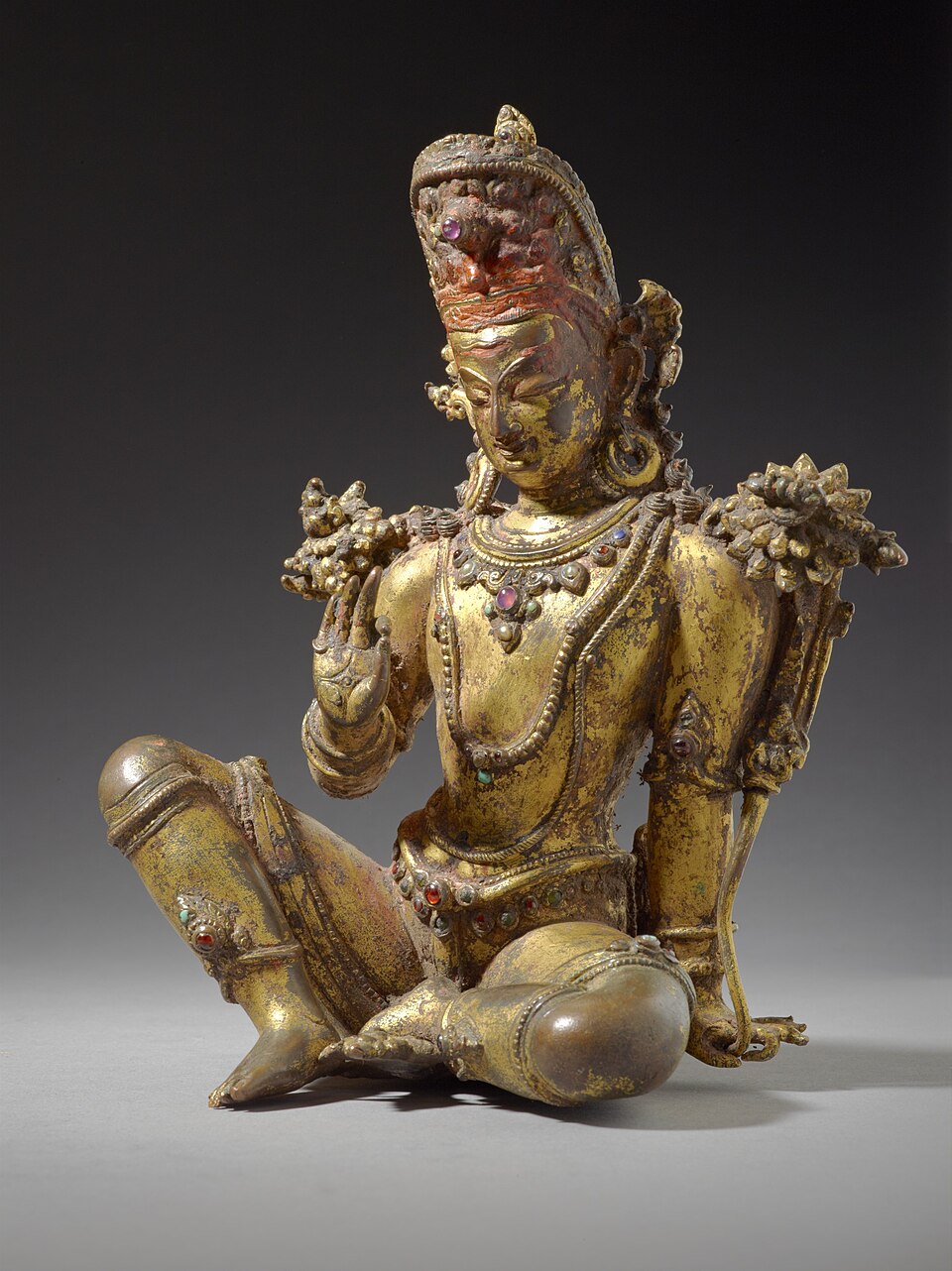
Indra
King of the Devas · Vedic
The thunderbolt-wielding king of the gods, who slays the serpent Vritra and releases the pent waters. It is the Indo-European form of the same combat myth as Baal against Yam.
Jesus of Nazareth
The Son · The God of Israel
The figure the New Testament describes as casting out spirits by a word, and whose commission is cited by nearly every exorcism rite and deliverance manual in this corpus.
The God of Israel
High God · The God of Israel
The God of the Hebrew Bible, named by four consonants and worshipped without image — the figure every angel, demon and rite in this corpus stands in relation to, and the one it had no entry for.
Ninurta
Champion of the Gods · Mesopotamian
The god sent against what the other gods will not face — the Asag, and the Anzu bird that stole the Tablet of Destinies — and the one who reorganises the world afterwards.
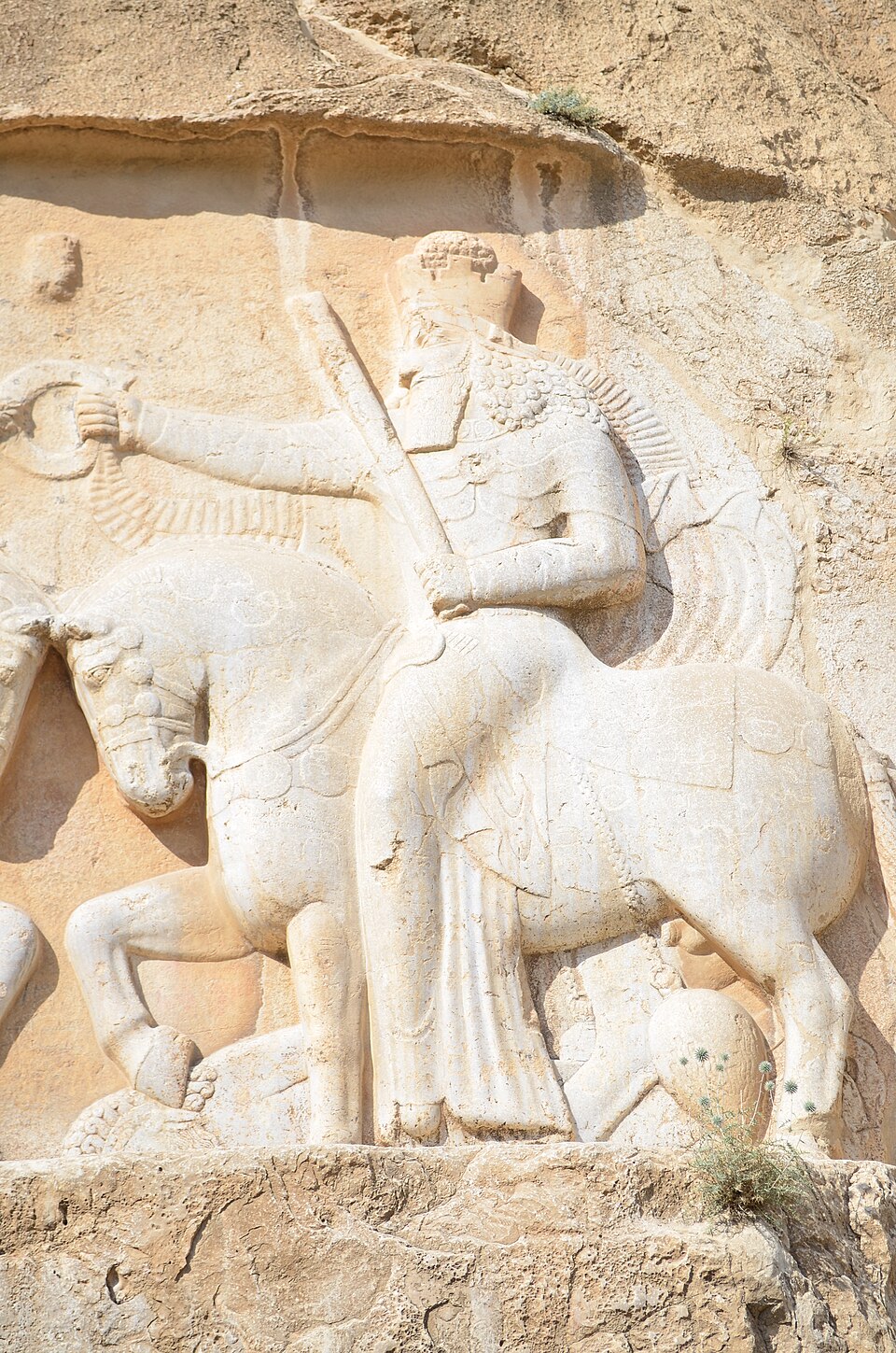
Ahura Mazda
The Wise Lord · Persian
The uncreated god of Zoroastrianism, opposed by Angra Mainyu — the pairing that probably gave Judaism and Christianity their two-sided cosmos.
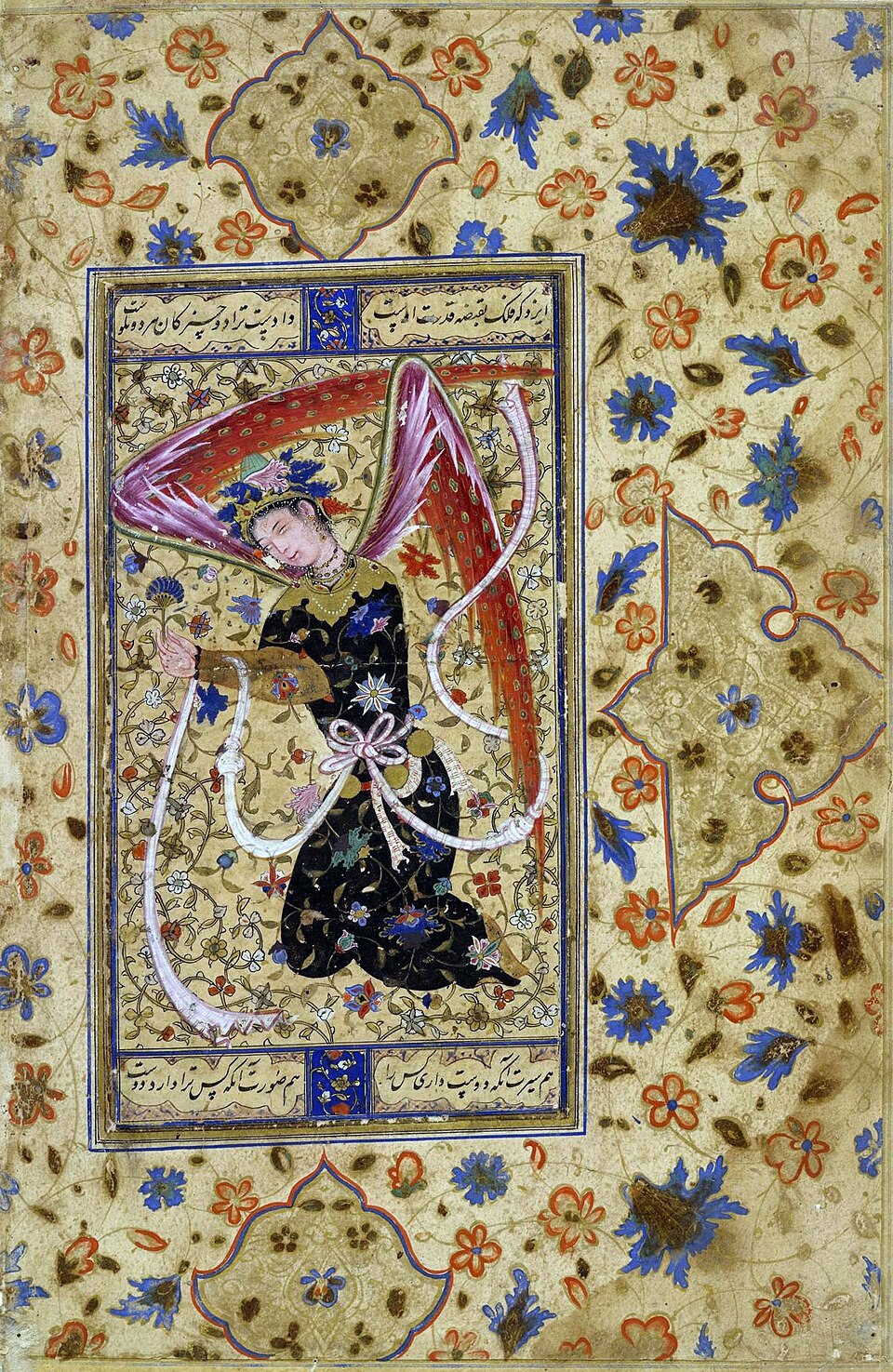
Sraosha
Yazata of Obedience · Persian
He guards the soul for three nights after death and stands directly opposed to Aeshma. It is an angel's job description, written before there were angels.
The books behind The Holy Spirit
Every claim on this profile is attributed to one of these. They are public domain, listed oldest first, and each links to a full text where one is freely available.
Hebrew Bible & Deuterocanon
Various · c. 900–100 BCE · Hebrew, Aramaic, Greek
Read Hebrew Bible & Deuterocanon in full ↗Cover: Public domain · see en:Aleppo Codex; scanned by · Wikimedia file page
New Testament
Various · c. 50–110 CE · Koine Greek
Read New Testament in full ↗Cover: Public domain · Wikimedia file page
The Nicene Creed (Symbolum Nicaeno-Constantinopolitanum)
The Councils of Nicaea and Constantinople · 325; revised 381 · Greek
Read The Nicene Creed (Symbolum Nicaeno-Constantinopolitanum) in full ↗
Corpus last revised 31 August 2026. A reference site’s credibility rests on being maintained, so this is the date the sourced records last changed — not the date the page was rebuilt.