Deity · The God of Israel · c. 30 CE
Jesus of Nazareth
Also called Yeshua, Iesous, Christ, The Word, Isa ibn Maryam, The Son of Man
The figure the New Testament describes as casting out spirits by a word, and whose commission is cited by nearly every exorcism rite and deliverance manual in this corpus.
Deep source base
He is here first because of what the rest of the corpus does with him. The Roman rite, the Byzantine prayers, the Sarum use and the modern deliverance manuals all argue from the same New Testament scenes and the same commission, and until now the figure at the centre of those scenes had no entry to point at. On the demonological question specifically the texts are unusually consistent: he casts out spirits directly and by his own authority rather than by invoking a higher name, which is precisely the feature every later rite has to account for, since none of them can do the same and each says so in its own way.
The filing is where this entry is most obviously unsatisfactory, and the corpus would rather say so than hide it. This site's categories are angelic, demonic, deity, realm, mortal and hybrid. The Chalcedonian Definition — seeded here, and the document the largest single division in Christianity is measured from — holds that he is acknowledged in two natures, without confusion and without division. No value on that list states that. `mortal` denies half of it, `deity` denies the other half, and `hybrid` in this corpus means the offspring of a union across the divine and human line, which is what the Nephilim are and what the creeds specifically deny of him. `deity` is recorded as the least bad of six, and this paragraph is the rest of the answer.
Three of the texts below are outside witnesses, and they are worth reading for what they do not do. Josephus, Tacitus and Pliny are respectively a Judaean historian writing for Rome, a hostile senator and a governor prosecuting the cult; none of them is interested in the subject, and none of them corroborates anything the creeds argue about. Between them they establish that the movement existed early, that its founder was executed under Pilate, and that within eighty years its members were singing to him as to a god. That is a narrow result, it is the honest one, and it is more than the corpus could show before, when every text naming this figure had a position on him.
The texts that name him disagree about him more sharply than the sources for any other figure in this corpus, and all of the disagreement is recorded below rather than resolved. The New Testament calls him the Word who was God and also reports him saying the Father is greater than he. The Nicene Creed says of one substance with the Father. The Qur'an names him as a prophet and messenger, born of Mary, and denies that God has a son. These are not degrees of the same claim; a corpus that showed only the ones that agree would be a worse record of what the texts actually say.
Identity
Where does the name come from?
What the name means
Greek Iesous renders Hebrew Yeshua, a shortened form of Yehoshua, understood as 'YHWH saves' — an etymology the Gospel of Matthew makes explicit when it glosses the name by the child's function. Christ is not a name but the Greek christos, 'anointed', translating Hebrew mashiach; the Arabic Isa, used in the Qur'an, is a separate development whose relation to the Aramaic form is disputed.
At a glance
Vitals
Vitals
Also known as
- First attested
- New Testament · c. 50–110 CE
- Named there as
- Jesus; Christ; the Word; Son of Man
- Rank
- The Son
- Order
- The God of Israel
- Era
- c. 30 CE
- Traditions
- Christian, Islamic
Stats
1 mark
Which marks is it attached to?
A mark a figure carries and a mark used against a figure are opposite claims, so each link says which it is.
7 texts
Which texts say so, and where do they disagree?
When these texts were written
Each dot is one of the 7 texts that names Jesus of Nazareth, placed at that text's approximate date.
A wide spread means the figure was carried across many centuries and traditions; a tight cluster means a single period produced the whole record.
7 texts spanning roughly 570 years
Where the texts differ
- Name: given as Jesus; Christ; the Word; Son of Man, Jesus who was called Christ, Christus, One Lord Jesus Christ, the only-begotten Son of God, Our Lord Jesus Christ, Isa ibn Maryam
- Rank: given as The Son; Called Christ; Addressed as a god by those on trial; Originator of the name; The Son, of one substance with the Father; Acknowledged in two natures; Prophet and messenger
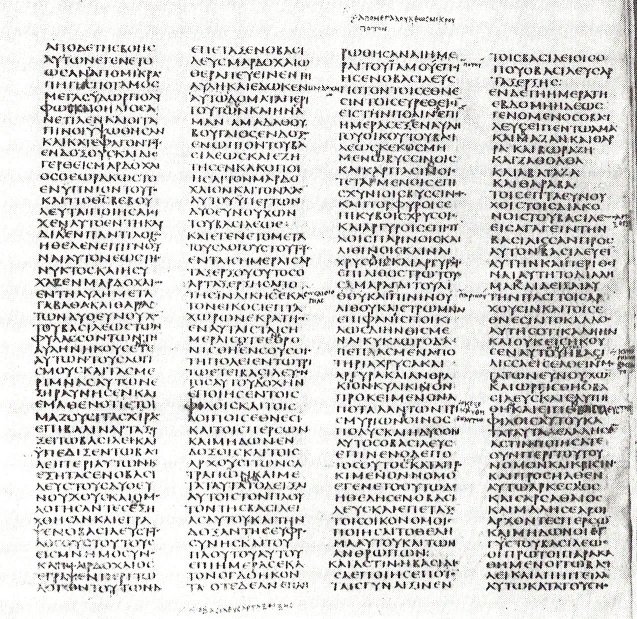
Casting out unclean spirits by a word and without invocation; healing; forgiveness of sins; commissioning others to do the same in his name
“And Thomas answered and said unto him, My LORD and my God”
Two passages. At 20.200 Josephus dates the execution of James by identifying him as the brother of Jesus who was called Christ — an aside, in a paragraph about a high priest overreaching, and the least disputed non-Christian mention there is; the phrasing assumes a reader who already knows the name. The longer notice at 18.63 is the Testimonium Flavianum, and the received text says things about him that a first-century Judaean who remained a Jew is very unlikely to have written. Positions run from a wholly Christian forgery to an authentic core later embellished, with the second the majority view and neither provable from the manuscripts, all of which are Christian copies.
Christians meeting before dawn on a fixed day and singing to Christ as to a god, in a governor's letter asking the emperor how to try them. This attests the worship rather than the figure: it is evidence that by about 112 the cult existed in Bithynia and addressed its founder in divine terms, and it is not evidence of anything Pliny knew about him.
Executed under Tiberius by sentence of the procurator Pontius Pilate — given in passing, while explaining whom Nero blamed for the fire of 64, by a senator who calls the movement a destructive superstition. Note what the corpus can and cannot take from it: the figure is named by title rather than name, and Tacitus is reporting what was known in Rome eighty years later rather than consulting an archive. What it does establish is that by 116 an unsympathetic Roman historian took the execution under Pilate as ordinary background.
Begotten not made, and the one by whom all things were made — the clause the fourth-century dispute turned on, settled by a term about substance rather than about function.
Perfect in Godhead and perfect in manhood, in two natures without confusion or division — the formula the Oriental Orthodox churches could not accept, and the oldest surviving division in Christianity.
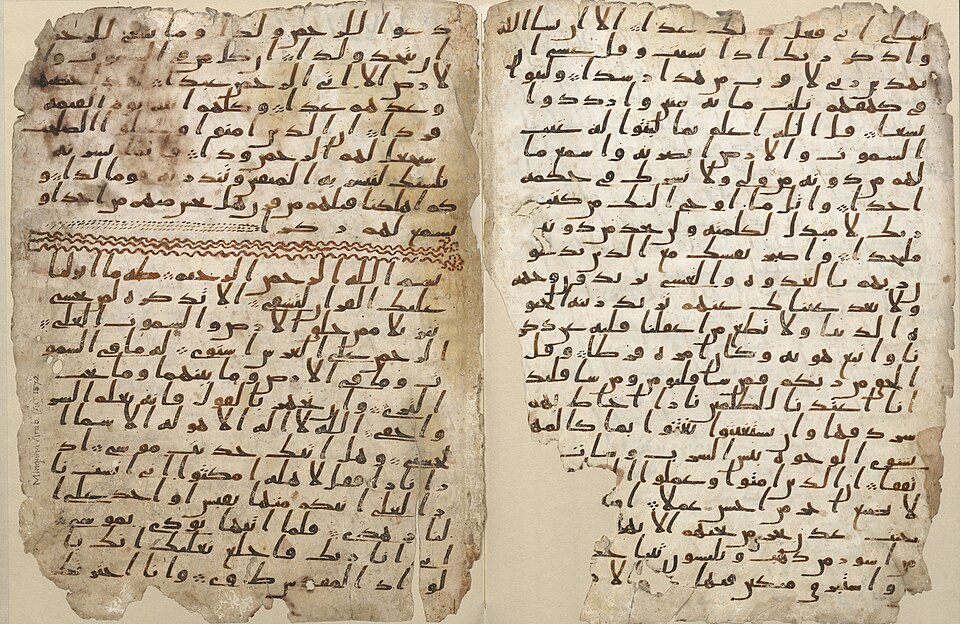
Born of Mary, given the gospel, and a messenger of God — with the sonship and the crucifixion both explicitly denied. The clearest case in this corpus of a text that names a figure in order to contradict what the texts beside it say about him.
Connections
What is it connected to?
No relationship to another figure in this corpus is recorded in the texts cited above. Where an edge exists here it is because a source states it, so an empty section means the sources are silent rather than that the connection is unknown.
Afterwards
What did later readers make of it?
The commission at the end of Mark — that those who believe shall cast out devils in his name — is the single most cited warrant in the deliverance literature this corpus carries, and the manuals differ from one another mainly in what they think it licenses. The longer ending of Mark in which it appears is absent from the earliest manuscripts, a textual question the manuals almost never raise and which this corpus records here rather than in a footnote to any of them.
Kept in its own section on purpose. Everything above is what the cited texts say; this is what was built on top of them afterwards, and blending the two is how most popular demonology goes wrong.
Answered from the sources
Common questions
Which texts mention Jesus of Nazareth?
What rank is Jesus of Nazareth?
How else is Jesus of Nazareth spelled?
How old is Jesus of Nazareth?
Nearest in the corpus
If Jesus of Nazareth is what you came for, these are next
Chosen by proximity rather than by popularity: the same pantheon first, then the same rank, then the same kind of figure.
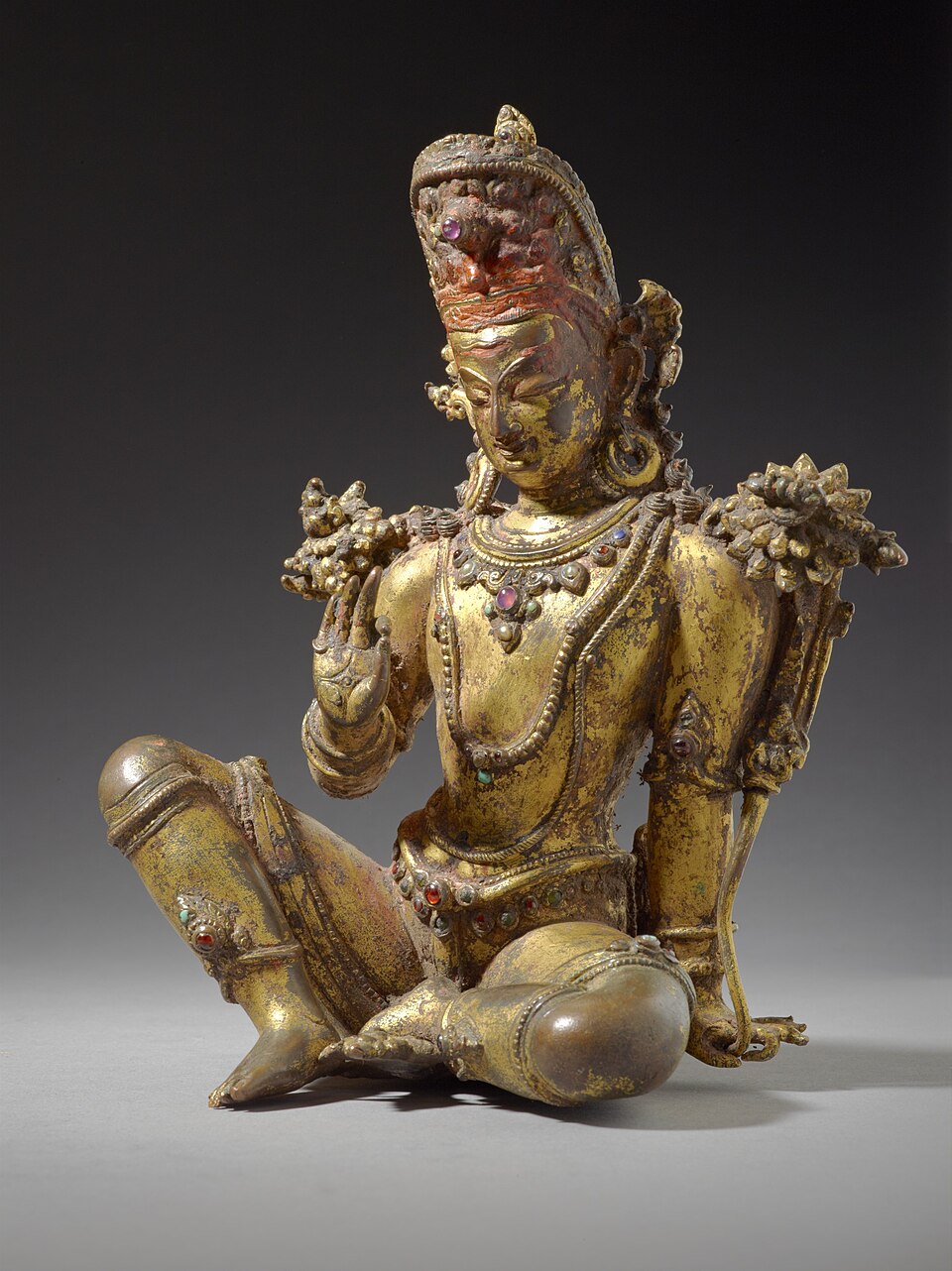
Indra
King of the Devas · Vedic
The thunderbolt-wielding king of the gods, who slays the serpent Vritra and releases the pent waters. It is the Indo-European form of the same combat myth as Baal against Yam.
The God of Israel
High God · The God of Israel
The God of the Hebrew Bible, named by four consonants and worshipped without image — the figure every angel, demon and rite in this corpus stands in relation to, and the one it had no entry for.
The Holy Spirit
The Spirit · The God of Israel
Breath, wind and spirit in the same word — the least personified of the three in the Hebrew material and the most active in the New Testament, and the figure the whole charismata question in this corpus turns on.
Ninurta
Champion of the Gods · Mesopotamian
The god sent against what the other gods will not face — the Asag, and the Anzu bird that stole the Tablet of Destinies — and the one who reorganises the world afterwards.
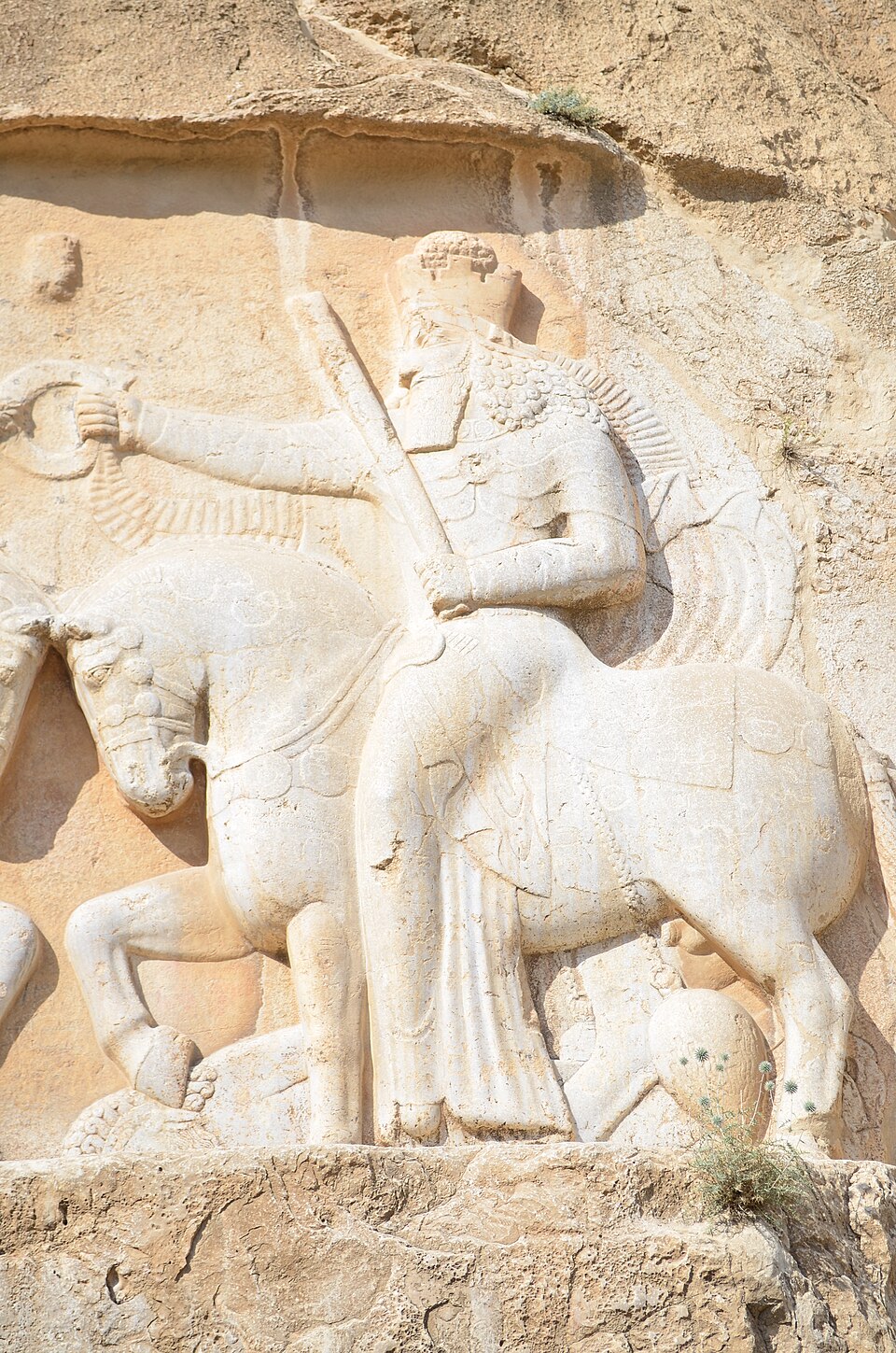
Ahura Mazda
The Wise Lord · Persian
The uncreated god of Zoroastrianism, opposed by Angra Mainyu — the pairing that probably gave Judaism and Christianity their two-sided cosmos.
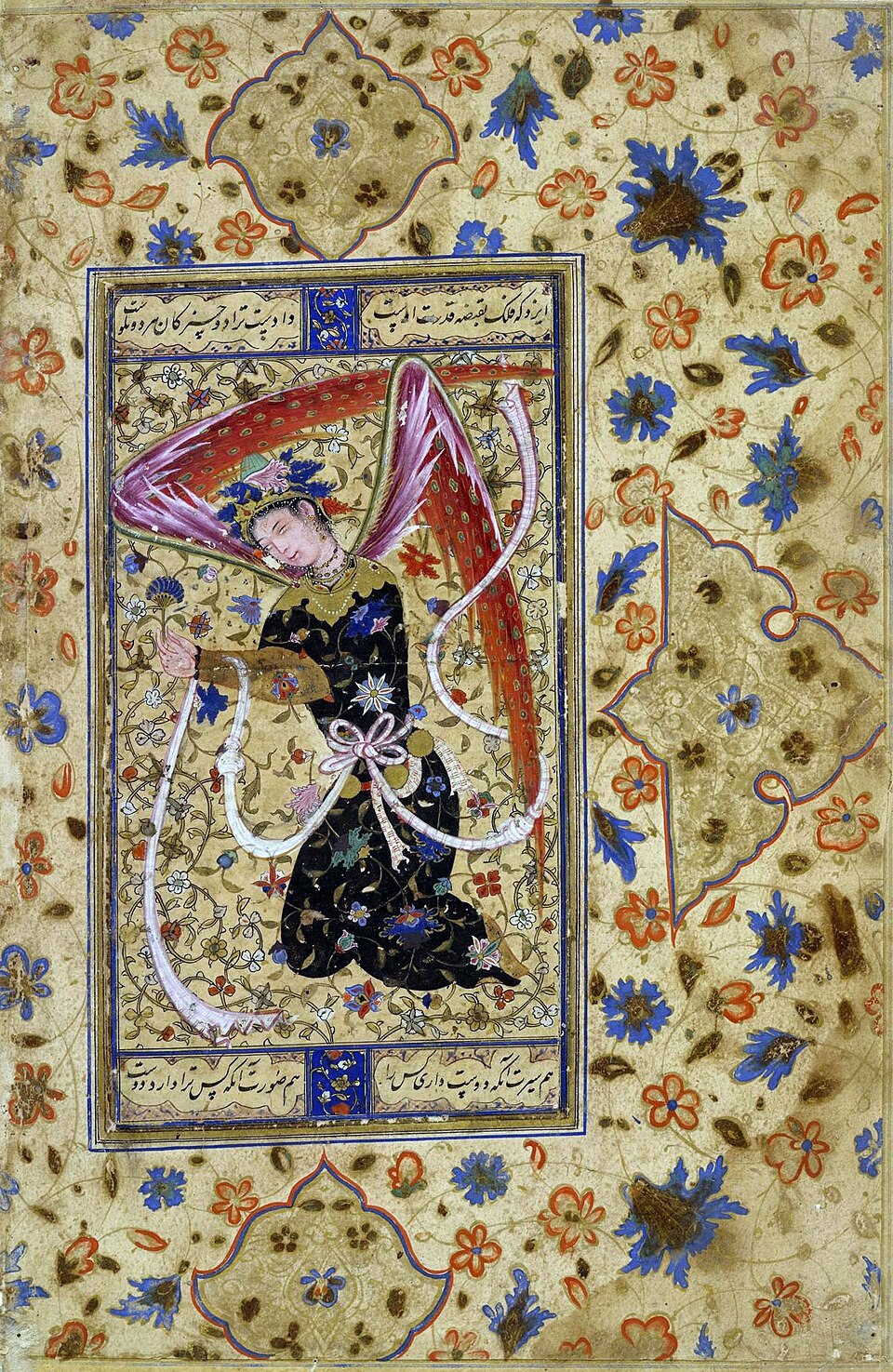
Sraosha
Yazata of Obedience · Persian
He guards the soul for three nights after death and stands directly opposed to Aeshma. It is an angel's job description, written before there were angels.
The books behind Jesus of Nazareth
Every claim on this profile is attributed to one of these. They are public domain, listed oldest first, and each links to a full text where one is freely available.
New Testament
Various · c. 50–110 CE · Koine Greek
Read New Testament in full ↗Cover: Public domain · Wikimedia file page
Antiquities of the Jews
Flavius Josephus; trans. William Whiston, 1737 · c. 93 CE · Greek
Read Antiquities of the Jews in full ↗The Nicene Creed (Symbolum Nicaeno-Constantinopolitanum)
The Councils of Nicaea and Constantinople · 325; revised 381 · Greek
Read The Nicene Creed (Symbolum Nicaeno-Constantinopolitanum) in full ↗The Definition of Chalcedon
The Council of Chalcedon · 451 · Greek
Read The Definition of Chalcedon in full ↗Qur'an & Hadith
Various · 7th c. CE onward · Arabic
Read Qur'an & Hadith in full ↗Cover: Public domain · AnonymousUnknown author · Wikimedia file page
Corpus last revised 31 August 2026. A reference site’s credibility rests on being maintained, so this is the date the sourced records last changed — not the date the page was rebuilt.